London · Ritual design studio

Meals as moving light

Vorlaxergryxonar treats eating as a gentle daily ritual you can shape without guilt or performance. We focus on how light falls, how sound travels across a table, and how small pauses change the feel of a room—before we talk about ingredients or routines.

Non-judgemental framing·Eco-conscious materials

Ritual is a pattern of attention, not a scorecard. You might keep a candle unlit for weeks and still return to the same chair before breakfast. That continuity is enough. This site offers editorial and studio information for visitors in the United Kingdom and elsewhere—it does not provide medical, dietary, or therapeutic advice.

How we frame the week

Four lenses we use in the studio when we plan content, workshops, and written guides. None of them require special equipment.

Arrival

Before food appears, the room already tells a story. We note where windows are, how traffic sounds filter in, and whether the table is clear enough for elbows to rest without negotiation. Arrival is the first ritual: you show up for the meal as a physical fact.
Transition

Closing a laptop, silencing a phone, or walking to the sink before sitting—all of these mark a boundary between work and eating.

Presence

We invite slow noticing: colour on the plate, weight of a fork, the order sounds arrive in. Not to judge them—only to observe.

Closure

Stacking bowls, rinsing a cup, or writing one line in a notebook. Closure signals that the meal has a beginning and an end.

What visitors often take away

1

One clear surface

Even a corner of a desk can become the eating zone when everything else is cleared.

2

Light as ingredient

Cool daylight for focus; warm pools for evening softness. No new lamps required.

3

Shared silence

A short hush before the first bite, alone or with others, without turning it into a rule.

4

Honest materials

We favour suppliers who document sourcing and reduce throwaway packaging where we can.

“The table does not need to be perfect. It needs to be honest enough that you can sit down without pretending.”

— Studio note, Vorlaxergryxonar
09:30

Weekday doors open for scheduled visits and pre-booked conversations.

3

Core sensory channels we return to in every workshop: sight, sound, touch.

Ways to adapt a ritual—because we never prescribe a single “correct” sequence.

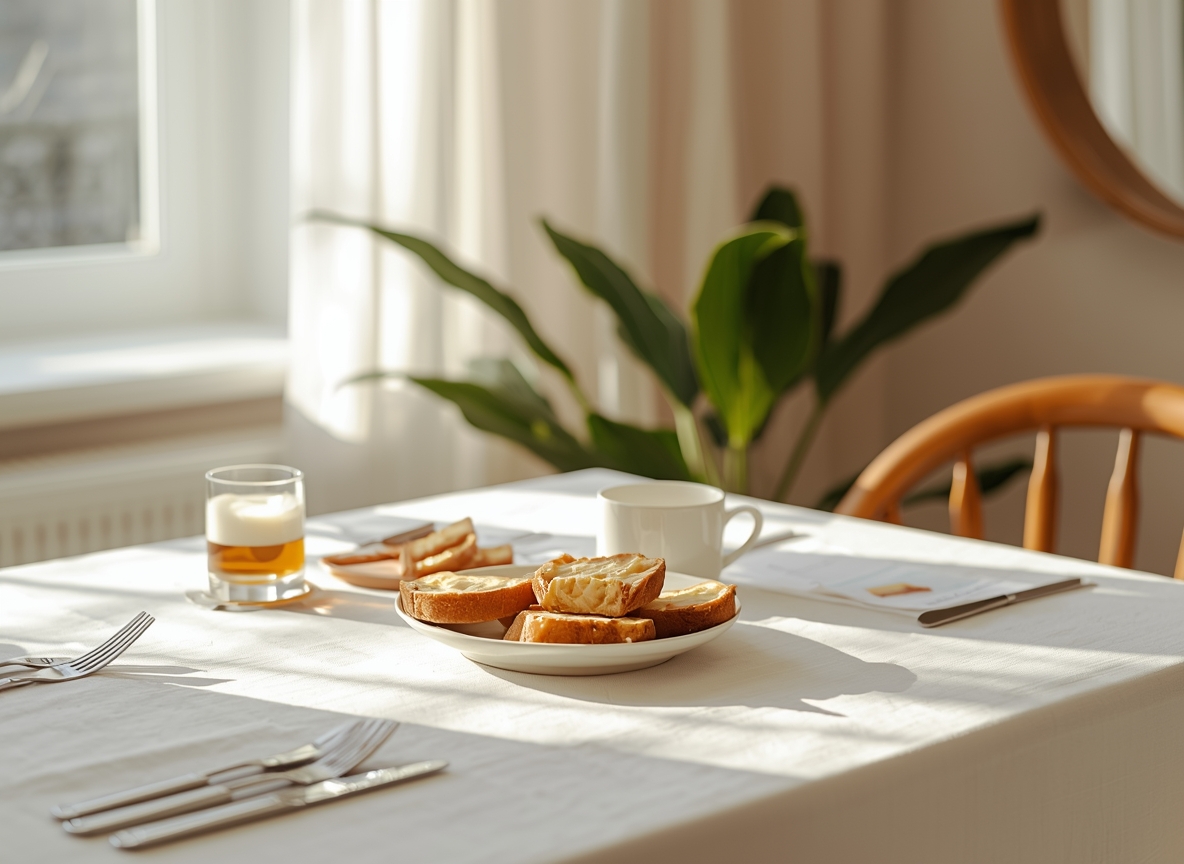
Soft morning light across a table

Light redraws the plate

We study how morning sun flattens contrast and how evening lamps deepen it. That knowledge helps you borrow cues from our photography without buying new gear. You might move a chair slightly, angle a blind, or simply notice when the room already feels kind enough for dinner.

Read the full sensory notes or browse awareness prompts for shorter habits.

Questions we hear often

Do I need to cook every meal from scratch?

No. Ritual is about how you meet the food, not how you produced it. A reheated bowl and a composed salad both qualify.

Is this approach tied to a specific diet?

We do not promote a named eating plan. We talk about environment, pace, and attention—topics that sit alongside many ways of eating.

Can teams or organisations use this?

Yes. Write to us about lunchrooms, shared kitchens, or short sessions for staff. We scope each project separately.

Describe your table in a sentence

We aim to respond to genuine enquiries from individuals and small teams during weekday office hours. Replies are not guaranteed by a fixed deadline. No mailing list pressure—just a conversation when we can.

Open the contact form